What to Do in the First Hour After a Red Wine, Coffee or Ink Spill
The first sixty minutes decide more than any product in your cabinet, and most of the damage comes from what people do next.
October 27, 2026 · 4 min read
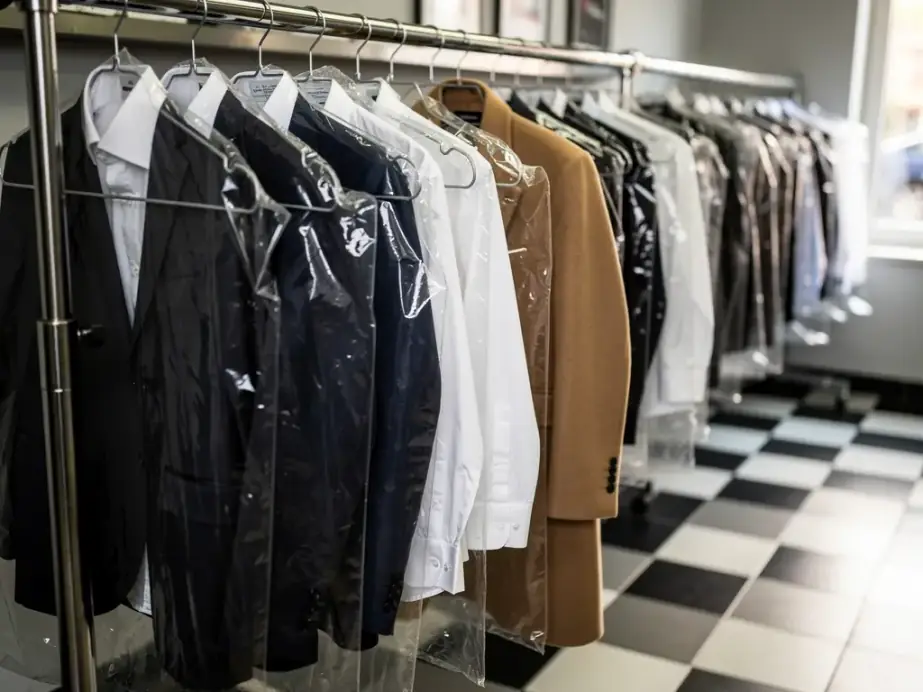
It happens at a dinner table, in a parked car, at your desk at 9:40 on a Tuesday. The glass tips, the cup lid pops, the pen leaks into your shirt pocket. The first minute matters, and the instinct most of us have is the wrong one.
Blot, don't rub
Grab something clean and absorbent: a napkin, a paper towel, a plain cotton cloth. Press down on the stain. Lift. Press again with a dry part of the cloth. You're trying to pull liquid up and out of the fabric, not push it deeper.
Rubbing does the opposite. It drives the stain into the weave, spreads it into a wider patch, and on delicate fabrics it roughs up the surface so the spot stays visible even after the color is gone. Royal Cleaners says it plainly on their FAQ page: avoid rubbing the stain and skip the home remedies, because they can make stains worse or damage the fabric.
Why the home remedies backfire
Everyone has a story about the thing that worked once. Salt on wine, club soda on everything, a squirt of dish soap, hairspray on ink. Some of these help, on some fabrics, some of the time. The trouble is that you can't know in advance which fabric you're dealing with. A silk blouse, a wool blazer and a cotton shirt react very differently to water and soap. Water alone can leave a ring on silk. Soap that isn't fully rinsed leaves a residue that attracts dirt. Hairspray and solvents can pull dye along with the ink.
The bigger risk is heat. Don't put a stained garment in a hot dryer, don't press it with an iron, and don't use hot water on a stain you haven't identified. Heat sets many stains for good, and it's especially unkind to anything oily or protein based. A stain that's been baked in asks far more of the cleaner than it would have an hour earlier.
The first hour, step by step
- Blot gently with a clean, dry cloth or paper towel. Work from the outside of the stain toward the middle so it doesn't spread.
- On a washable fabric, a little cool water on the back of the stain can help flush it, but only if the care label says the fabric can take water. Silk, rayon and wool often can't.
- Don't rub, scrub, or add soap, salt, powder or any product you haven't tested on a hidden seam.
- Keep it away from heat. No dryer, no iron, no hair dryer.
- Note what spilled and roughly when. A quick photo of the spot is useful too.
- Get it to the cleaner the same day if you can. Lay it flat or hang it up instead of balling it in a bag, where it stays damp and can set.
Wine, coffee and ink are three different problems
Red wine carries dye, so the goal is lifting color before it bonds with the fibers. Coffee brings tannin, and if there was milk or sugar in the cup, that adds a second layer that darkens with age and heat. Ink varies enormously. Ballpoint, gel and felt-tip pens all behave differently, which is why the word ink alone isn't enough for anyone to promise a result.
That's why a cleaner asks questions at the counter. They aren't being nosy. They're working out which approach suits the stain and the fabric together. Royal Cleaners lists wine, coffee, oil and ink among the stains they work on, and says they'll do their best to remove each one while keeping the fabric safe.
Jessica H. of Oakland wrote that they “got some red wine stains out of a white top which I have tried several times to remove on my own.” And Joey P. of Albany, a customer for about three years, says “they really know how to get tough stains, like ink, out of my shirts.”
What to tell the counter
When you hand the garment over, a few sentences save a lot of guessing. Say what spilled, how long ago, and whether you tried anything on it. If you rubbed it, dabbed it with club soda, or ran it through a wash, say so, even if it feels embarrassing. It changes what they do next.
Mention the fabric if you know it. If the care label is faded or cut out, say that as well. Point to the spot itself. A stain on the inside of a cuff or under a collar is easy to miss in a pile of garments, and showing it takes five seconds.
Be realistic about the result, too. Fresh stains on sturdy fabrics often come out. Old ones, set ones, or ones on delicate fabrics are less certain, and a good cleaner will tell you that instead of promising a miracle. “We'll do our best” is the honest promise, and it's the one Royal Cleaners makes.
Timing
The shop is open Monday to Friday from 7 to 2 and Saturday from 8:30 to 2:30, and closed on Sunday. A spill at Saturday night's dinner will keep until Monday morning, but get it to them first thing. Dry cleaning is typically ready in two to three business days and can often be expedited. Simple items can sometimes be done the same day, but that depends on how busy they are, so call ahead and don't plan an event around it.
The shop is at 814 San Pablo Avenue in Albany, and the number is (510) 323-4167. Bring the garment loosely folded or on a hanger, tell the person at the counter what happened, and point to the spot. That's all they need to get started.
Royal Cleaners, (510) 323-4167
Call (510) 323-4167More articles
Getting a Hem or a Taken-In Dress Right: What to Bring to the Fitting
Most bad hems come from a fitting where the wrong shoes, the wrong layers or the wrong expectations walked in the door.
Caring for a Wedding Dress or a Vintage Piece After the Event
The day is over and the dress is in a bag. What happens in the next few weeks decides what it looks like when you open the box again.